Why Eixample Became a Dining Hub
Eixample was designed in the nineteenth century as Barcelona's orderly expansion beyond the old city walls. Its wide streets, chamfered corners and mixed residential-commercial fabric created unusually adaptable ground floors, making the district ideal for restaurants that needed visibility, storage, comfortable circulation and discreet luxury.
As Barcelona's hospitality economy expanded, Eixample offered the right balance between local regulars and international guests. It could support business lunches, celebratory dinners and destination tasting menus without feeling detached from the city's everyday life.
Urban Form and Restaurant Experience
A restaurant's neighborhood shapes its rhythm. In Eixample, broad sidewalks and predictable street geometry soften the logistical friction of destination dining. Guests arrive from hotels or apartments on foot, reservations can cluster around theater or shopping schedules, and service operates within a district that already assumes evening social circulation.
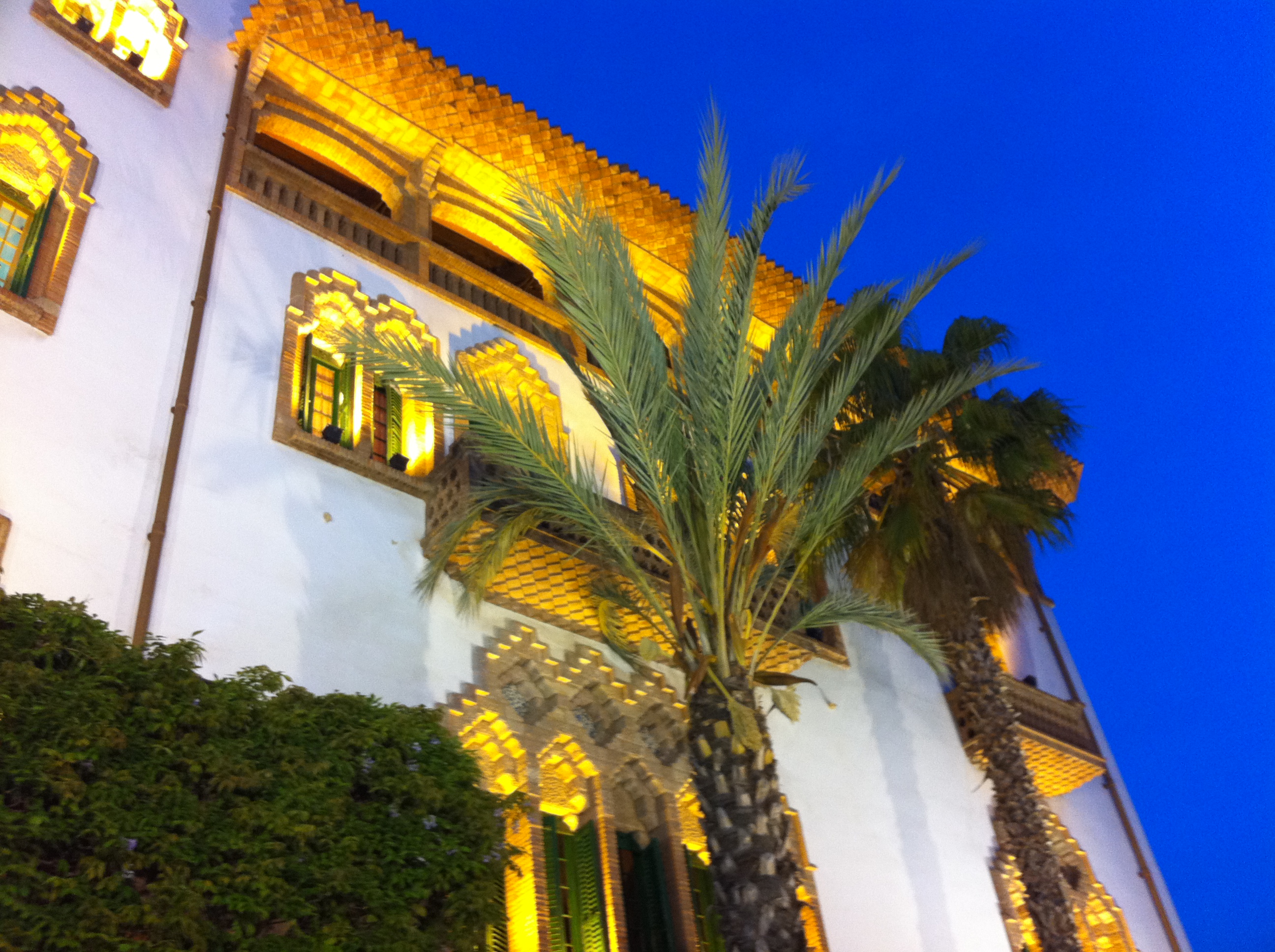
The built environment also supports interior ambition. Former apartments, corner retail units and reworked modernist-era spaces allow designers to create dining rooms that feel contemporary without severing ties to Barcelona's architectural identity.
Eixample restaurants benefit from density and order: enough footfall to matter, enough space to stage calm luxury.
The Mix of Local and International Expectations
Barcelona fine dining is unusual in that it serves both intensely knowledgeable local diners and global culinary tourists. Eixample is where these audiences overlap most visibly. Menus may reference Catalan produce and seasonal traditions while also speaking fluently to travelers accustomed to Michelin tasting culture in Paris, Copenhagen or Tokyo.
That pressure has raised standards in wine service, multilingual front-of-house communication, dietary accommodation and reservation management. Restaurants cannot rely on novelty alone; they must feel regionally grounded and internationally credible at once.
Eixample and the Prestige Economy
Because Eixample sits close to luxury retail, major hotels and corporate activity, it supports a dining economy in which tasting menus coexist with more flexible business-oriented formats. This matters for chefs building sustainable urban brands: prestige alone rarely fills every seat, but the neighborhood's diversity of demand can stabilize ambitious operations.
- Destination tasting menus for visiting food travelers
- High-value local clientele for celebrations and repeat visits
- Hotel adjacency that feeds concierge-driven reservations
- Architectural spaces suited to design-led dining rooms